
The Irish Diaspora
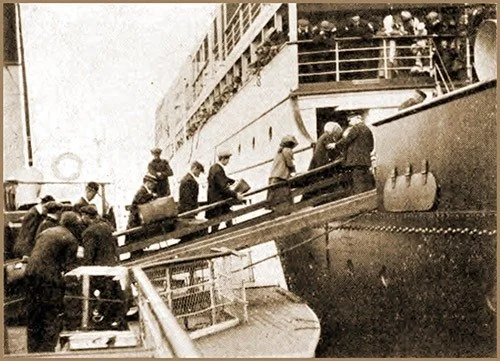
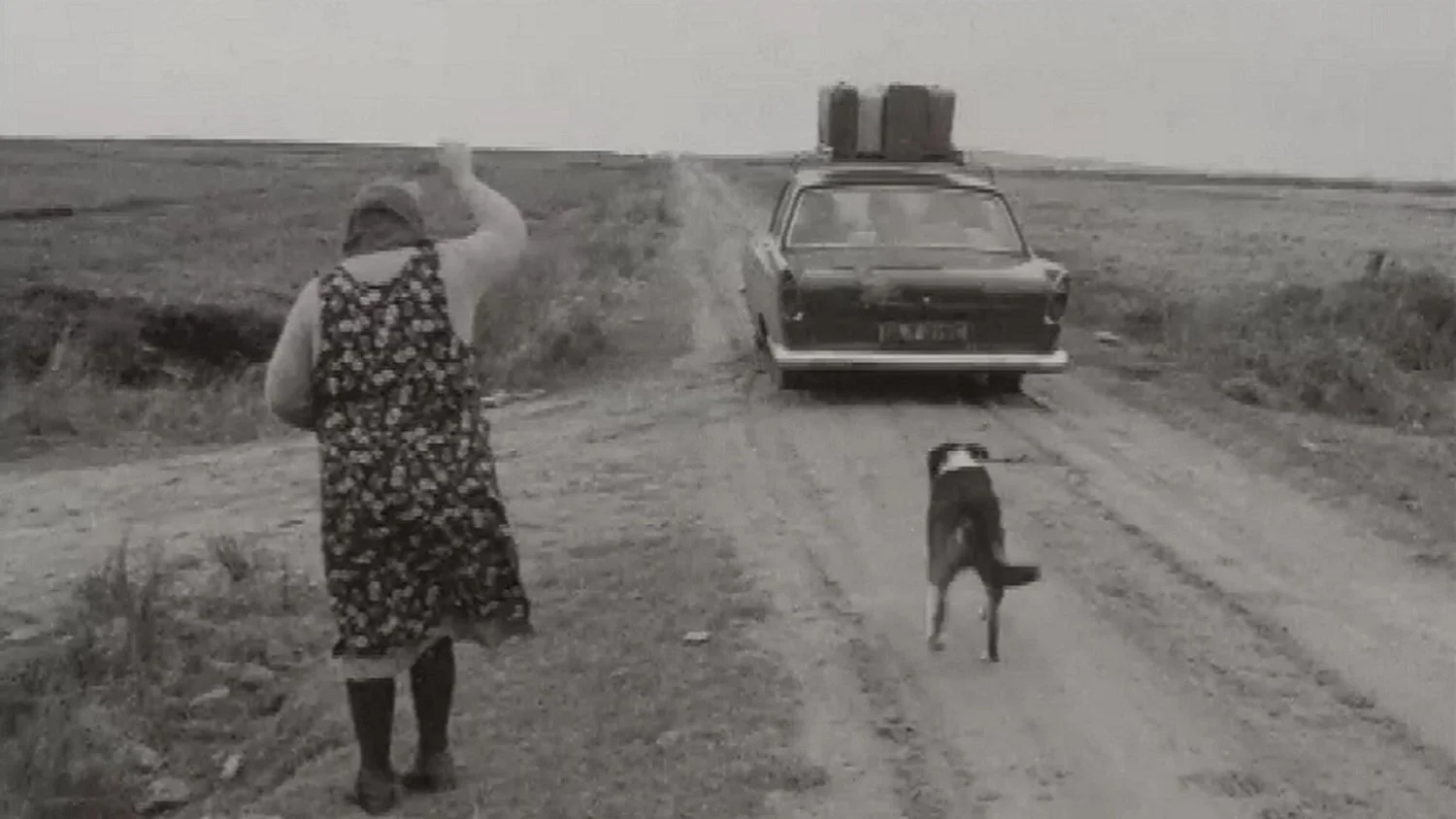
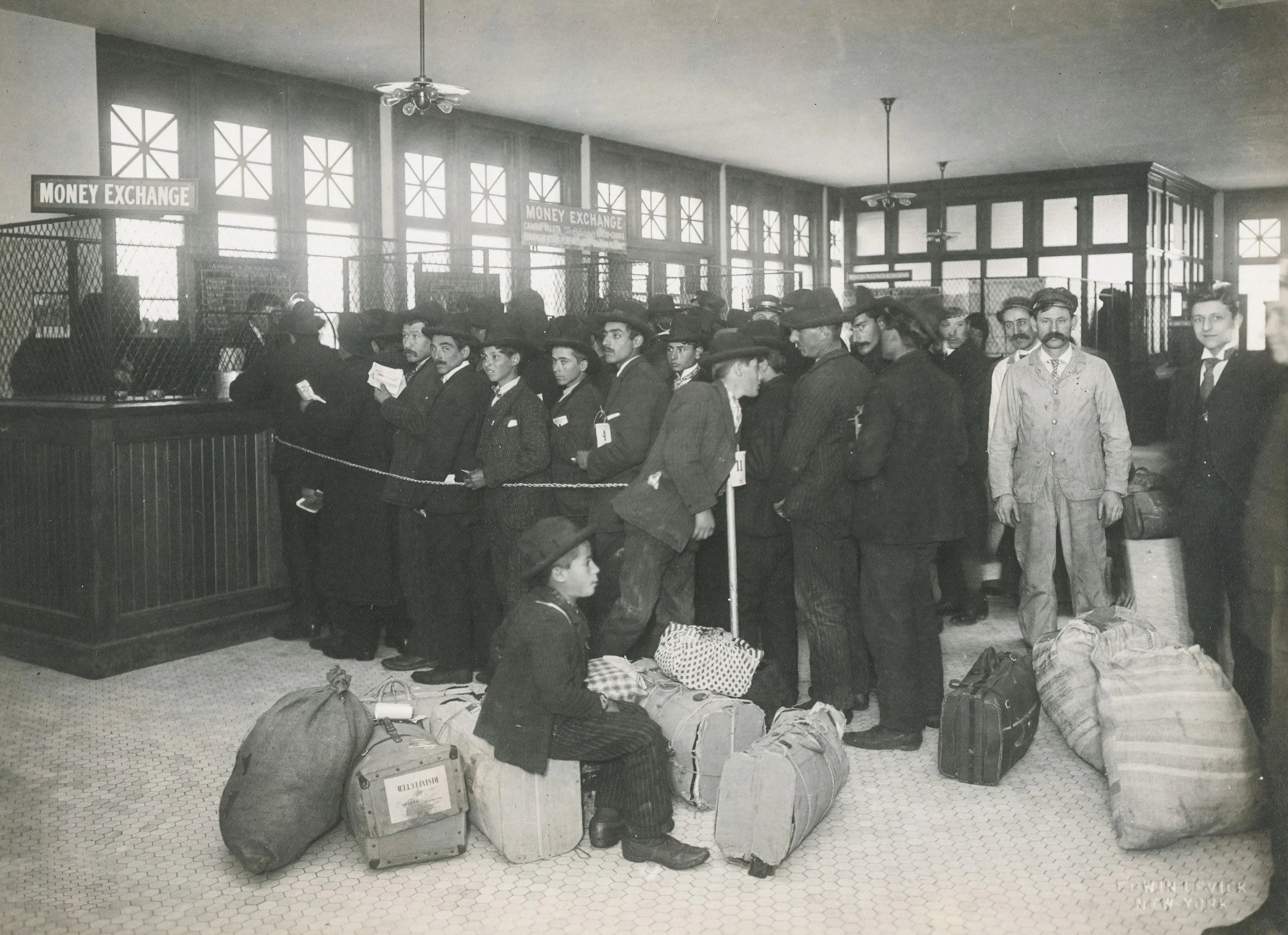
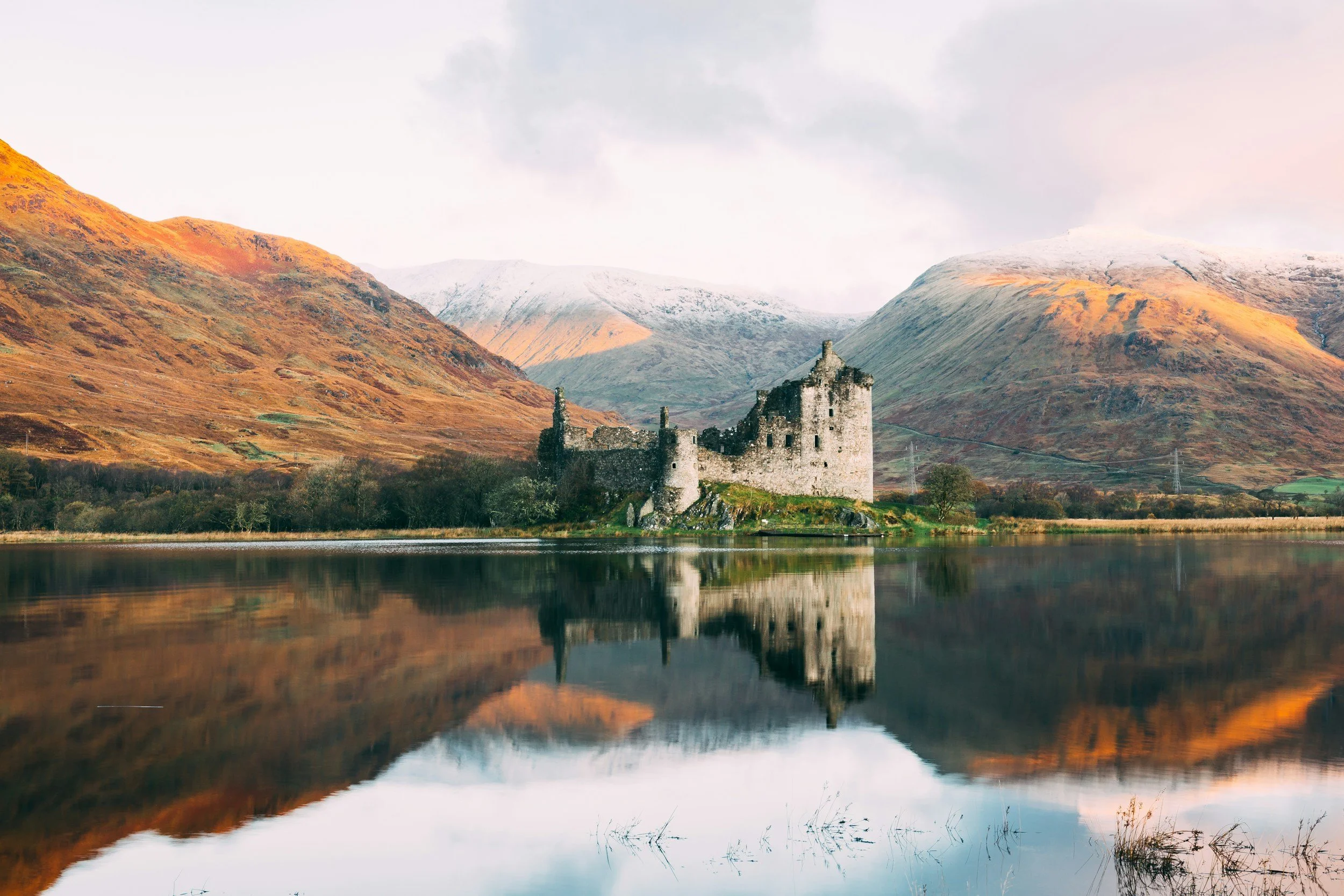
The Irish diaspora (Irish: Diaspóra na nGael) refers to ethnic Irish people and their descendants who live outside the island of Ireland.
The phenomenon of migration from Ireland is recorded since the Early Middle Ages, but it is only possible to quantify it from around 1700: since then between 9 and 10 million people born in Ireland have emigrated. This is more than the population of Ireland at its historical peak of 8.5 million in the 1840s. The poorest of them went to Great Britain, especially Liverpool in England and Glasgow in Scotland; those who could afford it went farther, including almost 5 million to the United States.
After 1840, emigration from Ireland became a massive, relentless, and efficiently managed national enterprise. In 1890, 40% of Irish-born people were living abroad. By the 21st century, an estimated 80 million people worldwide claimed some Irish descent, which includes more than 36 million Americans who claim Irish as their primary ethnicity and 14 million in the UK.
Driven by famine, poverty, political unrest, or the hope for better opportunities, millions of Irish men, women, and children boarded ships bound for North America, the Caribbean, and beyond. The most prominent ports included Dublin, Cork (especially Queenstown, now Cobh), Limerick, Belfast, and Derry. These cities were bustling with emigration traffic, especially during the peak years of the Great Famine in the 1840s. Cobh, located in County Cork, became the single most important port of emigration. It was the last sight of Ireland for over two million people, making it a powerful symbol of loss and hope.
Belfast and Derry played vital roles in the north, particularly for Protestant emigrants and those heading to Canada or the American colonies. Smaller ports like Sligo and Waterford also saw significant traffic, especially from poorer rural counties.
These ports were more than physical gateways—they were emotional thresholds. Each departure marked a final break with homeland and family, often with no return. The legacy of these journeys still echoes in Irish diaspora communities around the world, rooted in the paths that began at Ireland’s shores.
Ulster Scots / Scotch-Irish Genealogy

It is necessary to give separate understanding to the research of Ulster-Scots roots. The majority of those who emigrated from the northern province of Ulster in Ireland were originally the descendants of those Scottish Protestant planters who migrated from Scotland to Ireland in the early and mid-1600's as part of the Plantation of Ulster.
Some 200,000 of these planters then emigrated to the United States between 1710 and 1775 travelling from Ulster to the original thirteen American colonies. The largest numbers went to Pennsylvania. From that base some went south into Virginia, the Carolinas and across the South, with a large concentration in the Appalachian region. Others headed west to western Pennsylvania, Ohio, Indiana, and the Midwest.
In the United States Census of 2000, 4.3 million Americans (1.5% of the population of the United States) claimed Scotch-Irish ancestry. Author and former United States Senator Jim Webb suggests that the true number of people with some Scots-Irish heritage in the United States is more - over 27 million - possibly because contemporary Americans with some Scotch-Irish heritage may regard themselves as either Irish, Scottish, or simply American instead.
Twenty of the forty-five US presidents have ancestral links to Ulster, including three whose parents were born in Ulster. Three Presidents who had at least one parent born in Ulster: Jackson, Buchanan and Arthur. The United States Declaration of Independence contained 56 delegate signatures. Of the signers, eight were of Irish descent. Two signers, George Taylor and James Smith, were born in Ulster. The remaining five Irish-Americans, George Read, Thomas McKean, Thomas Lynch, Jr., Edward Rutledge and Charles Carroll, were the sons or grandsons of Irish immigrants, and at least McKean had Ulster heritage.