
Irish Ancestral Group · Before you set off
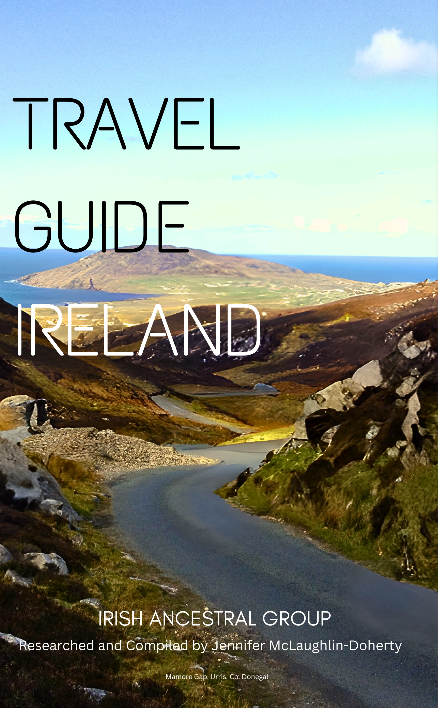
Travel Guide To Ireland
Céad Míle Fáilte!
This is the classic Irish Gaelic phrase meaning "a hundred thousand welcomes". For us at Irish Ancestral Group, that welcome begins while you’re still planning your visit. We’ve written our Travel Guide to Ireland to help you with the practical details and give you a few ideas for what to see and do while you’re here.
We want you to feel at home from the moment you arrive and have time to enjoy the Ireland we know and love. That might mean lingering over a view along the coast, having a chat over a cup of tea or staying for one more tune in a local pub. However you spend your time here, we hope you’ll go home with a few stories of your own to tell.
From packing for an Irish summer to knowing what to expect while travelling throughout the "Emerald Isle", here are the little things we're often asked about before a visit. Keep this guide handy when you’re getting ready and download it to bring it with you on the road.
Download the Travel Guide to Ireland (PDF)
Researched and compiled by Jennifer McLaughlin-Doherty
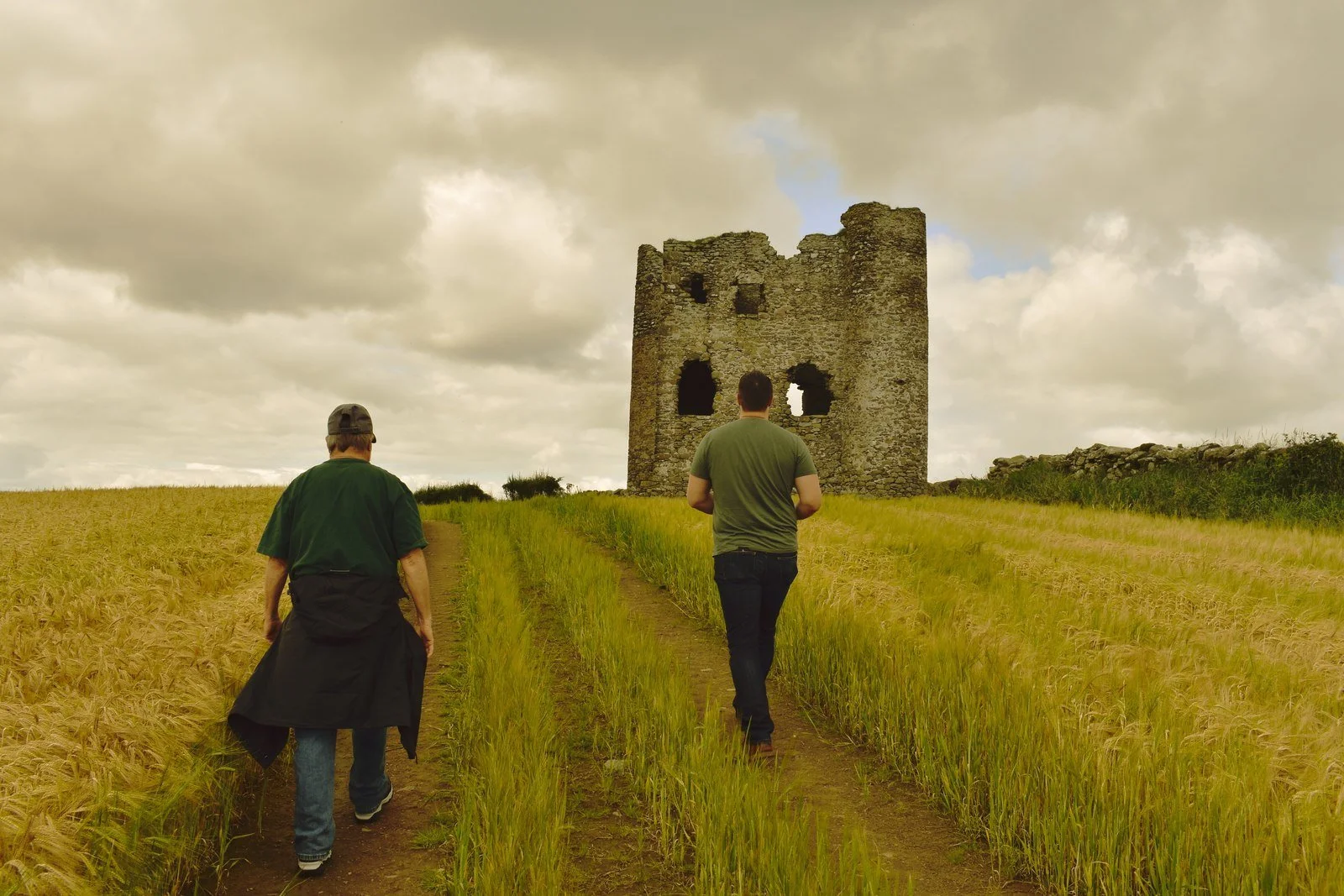
An té a bhíonn siúlach, bíonn scéalach.
He who travels, has stories to tell
01 · Getting ready
Before You Leave
Start with the places you most want to see, then give yourself time to enjoy the journey between them. When it comes to packing, bring what you can comfortably manage and leave a little room for what you find along the way.
Planning Your Vacation
Planning Your Trip:
Before heading to Ireland, it's important to plan your trip thoroughly. Consider factors like the duration of your stay, budget, places you want to visit, and the best time to go. Ireland has a temperate maritime climate, so expect mild, moist winters and cool summers. Popular times to visit are during the warmer months from May to September, when the weather is warmer and the days are longer.
Itinerary:
Plan your itinerary carefully to make the most of your trip. Ireland offers diverse attractions, including historic sites, scenic landscapes, cultural experiences, and outdoor activities. Consider including both cities and rural areas in your itinerary to experience the best of Ireland's urban and natural beauty. Don’t just stick to the big cities—small towns often pack the biggest punch in terms of character and charm. Research attractions, opening hours, and any entry requirements in advance. Some sites may require advance booking or have limited hours of operation.
Getting There:
Most US travellers reach Ireland by flying into Dublin Airport, Shannon Airport, or Cork Airport. Direct flights are available from major US cities like New York, Boston, Chicago, and Los Angeles. Once you land, you can rent a car, take a train, or use public buses to explore the country. If you are part of a tour, then your Tour Leader will give you information regarding a planned itinerary - as part of your organised tour, transport will likely be covered.
Accommodation:
Ireland offers a wide range of accommodation options to suit every budget and preference. You can choose from luxurious hotels, friendly bed and breakfasts, charming guesthouses, and even unique stays like castles and lighthouses. Booking in advance is advisable, especially during peak tourist seasons. Some hotels may have an attached spa offering treatments, a swimming pool and a gym. These hotels normally offer these facilities as part of the room price and therefore there will be no additional charge. It is important to check this in advance of your trip, so there are no surprises.
Documents
Travel Documents & Entry Requirements
US citizens don’t need a visa for tourist stays under 90 days, but you’ll need a valid passport with at least six months’ validity from your planned return date. Always check for any updated entry requirements before you travel. Starting in 2025, US travelers may need to complete an ETIAS travel authorization for entry into the EU (including Ireland), so keep an eye on official sources as your trip approaches.
Travel Insurance
It’s highly recommended to get travel insurance that covers medical emergencies, trip cancellations, delays, and lost luggage. Healthcare in Ireland is high-quality, but non-residents may have to pay out of pocket without coverage. Some credit cards offer limited protection, but read the fine print before relying on that alone.
Electrical Outlets & Voltage
Ireland uses the Type G plug (the same as the UK) and operates on 230V/50Hz. US travellers will need a power adapter and possibly a voltage converter for certain appliances. Most phone and laptop chargers are dual voltage, but always double-check before plugging in.
Driving In Ireland
If you’re planning to rent a car, remember that driving is on the left-hand side of the road. Roads can be narrow, especially in rural areas, and manual transmission cars are more common than automatics (book early if you need an automatic). A US driver’s license is usually accepted, but some rental agencies may ask for an International Driving Permit.
Luggage And Day Bags
Choosing The Correct Luggage:
Choosing the right luggage for a 8-14 day overseas trip is crucial for a US traveller. Opt for a durable, lightweight suitcase with a hard shell for maximum protection. Look for features like 360-degree spinner wheels for easy maneuverability, a TSA-approved lock for security, and expandable compartments for extra packing space.
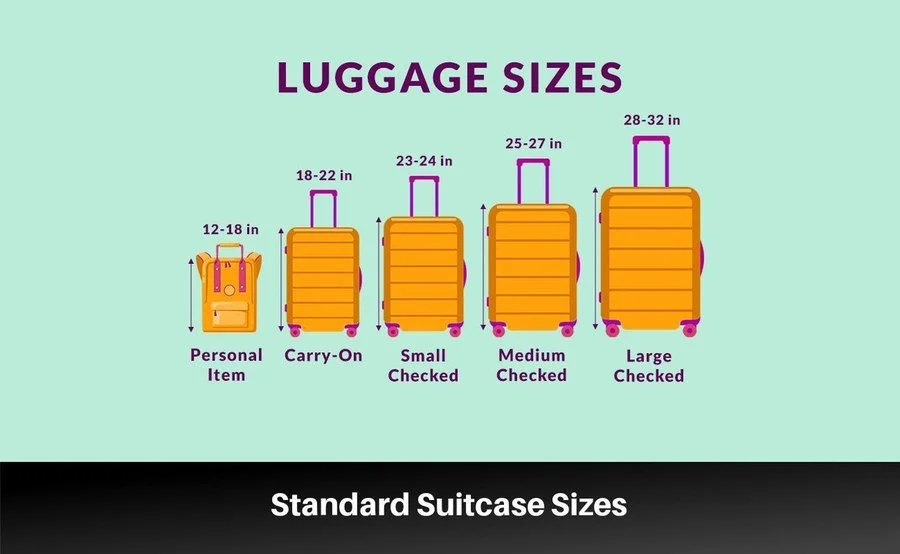
A medium to large suitcase (25-30 inches) is ideal for accommodating clothing, shoes, and essentials. Complement it with a carry-on bag for valuables and immediate necessities. Ensure it meets airline size regulations to avoid extra fees. (See the Packing section for more information on what to take with you on your trip).
Prioritise organised interiors with multiple pockets and compression straps for efficient packing. Packing cubes or compression bags are also an ideal solution to organisation within your luggage.
Weight:
A handheld luggage scales can easily be purchased from Amazon or other online stores which will ensure that your luggage does not exceed weight limits.
Remember if you are travelling in a small group, the vehicle that you will be travelling in will probably have limited capacity in terms of luggage. For these types of tours, please note that one large suitcase plus one carry-on is all that can ususally be accommodated comfortably.
Also, unless you have paid a porterage fee in advance (approx. €2/€3 per luggage item per hotel, one-way only) you will be expected to carry / manage your own luggage. Therefore it is critical that you are able to do so safely without hurting yourself.
Wheeled Totes
These are ideal pieces for people who are looking for a small, wheeled luggage to carry onto the plane. Most wheeled totes will fit under the seat, and are small enough to easily lift in and out of the overhead storage bins. Wheeled totes can hold a single change of clothes, books, magazines, and any other small items you would like to take with you on the plane.
18" - 20" Carry-On Luggage These are considered the International carry-on sizes, as they are allowed as a carry-on for most International flights. They are ideal for trips of 1-2 days, as they have packing space for a few outfits, a pair of shoes, and toiletries.


21" - 22" Carry-on Luggage These are the most popular sizes of carry-on luggage for U.S. domestic flights. Most U.S. airlines have carry on restrictions of 22" x 14" x 9", or 45 linear inches. These are the ideal sizes for business travelers or weekend trips, as most pieces of these sizes have either a foldout or removable garment sleeve that can hold one suit or dress and has sufficient packing space for a few outfits, a couple pairs of shoes, and toiletries. Most also have an expansion feature, which allows an additional 2 to 4 inches of packing capacity, but when expanded these sizes may exceed the carry on restrictions and would have to be checked.
23" - 24" Small Checked Luggage These sizes are popular for travelers looking for a smaller, lighter option of luggage to check. These pieces are too large to carry onto the plane, but are perfect for trips of 3 to 5 days. There is room for 2 to 3 outfits, a couple pair of shoes, and toiletry kits. The suiter (a fold out or removable garment sleeve) has space for up to 2 suits or dresses.
28" - 32" Suitcase These are very large suitcases meant for trips exceeding a week. They have a tremendous capacity for anything you would like to travel with. Due to their large size, when fully packed they can be difficult to maneuver and may exceed the 50 lbs. weight restrictions that most U.S. airlines enforce. Along with the weight restrictions, most U.S. airlines have a size restriction of 62" linear inches and these sizes may exceed that size, especially when expanded. But if you know you need the biggest piece of luggage available, these would be for you.

Using Intra-European Airlines:
Many travellers don’t realise that intra-Europe flights often have tighter weight and size restrictions. These can include airlines such as Ryanair, Aer Lingus, EasyJet etc., who normally have stricter limits . If you are travelling to other parts of Europe while on your trip to Ireland, particularly with one of the “no frills airlines”, please ensure you check these limits in advance.
Space for Souvenirs
Plan to leave a little room in your luggage for things you’ll want to bring back—like local crafts, wool products, whiskey, or small gifts. Overpacking at the start often leads to tough decisions (or extra baggage fees) on the way home. A collapsible duffel bag is a smart addition—easy to pack flat, but handy for extra items on the return trip.
Weather-Ready Additions
Ireland’s weather is famously unpredictable. Be sure to pack a compact umbrella, a lightweight rain jacket, and layers you can add or remove easily. These won’t take up much space and will save you from having to buy them at tourist prices once you’re there.
Day Bags Are Essential
Bring a small backpack or day bag for your daily outings. It’s perfect for holding snacks, a camera, rain gear, a guidebook, and anything you might buy during the day. Pick something comfortable to carry and ideally waterproof or water-resistant. Crossbody bags with secure zippers are also a good choice for cities and busy areas.
Stay Hydrated Smartly
Consider buying a reusable insulated canister or wide-mouth flask before your trip. These are inexpensive and can keep water cold all day—especially helpful during long sightseeing days. They're a smarter, more eco-friendly alternative to single-use plastic bottles, and you can easily fill them with ice and tap water each morning.
Luggage Locks & Tags
Even if you're not checking a bag, it's a good idea to use luggage locks (TSA-approved if flying into the US) and durable luggage tags with your contact info. If you’re checking a bag, tie a ribbon or use a colourful tag to spot it easily on the carousel.
Laundry Options
To avoid overpacking, check if your accommodations offer laundry facilities or plan a mid-trip laundry stop. Packing a small zippered bag with a few detergent pods or a travel-sized laundry soap sheet can help if you want to hand-wash essentials.

Packing For Ireland
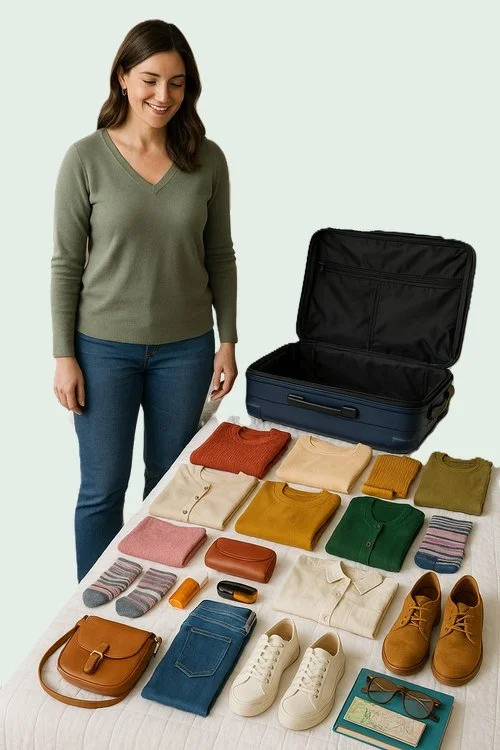


Suggested Packing List
Suggested Packing List:
Clothing:
- Waterproof jacket or raincoat
- Layered clothing (long-sleeve shirts, sweaters, & lightweight jackets)
- Comfortable walking shoes / boots (waterproof if necessary)
- Casual clothing for daytime exploring
- Dressier outfit for evenings out or dining
- Scarf, hat, and gloves (for colder months)
- Swimsuit (for indoor pools or hot tubs)
- Gym wear for use of hotel gyms plus running shoes / sneakers
- Pyjamas and underwear
- Socks (wool socks for colder weather)
Accessories:
- Sunglasses
- Sun hat or baseball cap
- Daypack or backpack for day trips
- Travel adapter plug for Type G electrical outlets
- Voltage converter / transformer (for your electronic devices)
- Portable power bank for charging devices on the go
- Travel-sized toiletries (shampoo, conditioner, body wash, toothpaste, etc.) - many hotels will have these.
- Travel-size first aid kit (band-aids, antiseptic cream, pain relievers)
- Any prescription medications you require
- Ziplock bags or waterproof pouches for storing electronics and valuables
Electronics:
- Smartphone and charger
- Camera or smartphone for photos/videos
- Portable charger or power bank
- Plug adapter for Type G outlets
- Laptop or tablet (optional)
- E-reader or books for leisure reading
- Headphones or earbuds
- Travel alarm clock or smartphone alarm
The Ultimate Ireland Packing List
The Ultimate Ireland Packing List
Stephanie Chastain, the owner of Infinite Ireland Travel Co. has an excellent suggested checklist for travelling to Ireland. You can find it here:
https://www.infiniteireland.com/the-ultimate-ireland-packing-list/
Particularly useful is her exacting suggestion for clothing required for the Irish climate for a woman (trip of 8-14 days):
- 3 pants
- 5 shirts
- 2 undershirts or camis
- 2 sweaters or fleece
- 8 pairs of underwear
- 3 bras
- 8 pairs of socks
- Pajamas
- Belt
- Hat
- Travel scarf
- Pair of gloves and hat if traveling in shoulder/winter season
- Walking shoes (women) (men)
- Hiking shoes (women) (men) (only necessary if hiking)
- Waterproof jacket (women) (men)
- Winter waterproof jacket (women) (men)

Documents, Money And Miscellaneous
Suggested Packing List (continued):
Documents and Money:
- Passport with at least 6 months validity
- Travel insurance documents
- Flight tickets or e-tickets
- Hotel reservations or accommodation details
- Copy of travel itinerary and emergency contact numbers
- Credit cards and/or debit cards (notify your bank of travel plans)
- Cash in Euros (for immediate expenses upon arrival)
- Driver's license or International Driving Permit (if planning to rent a car)
Miscellaneous:
- Travel guidebook or maps of Ireland
- Travel-sized laundry detergent (for washing clothes)
- Snacks and water bottle for long journeys or hikes
- Travel pillow and blanket for comfort during flights or long drives
- Portable luggage scale (to avoid overweight baggage fees)
- Insect repellent (especially for outdoor activities in summer)
- Travel-sized sewing kit and safety pins
- Reusable shopping bag for souvenirs or groceries
- TSI padlocks and luggage labels.
Remember to tailor this packing list to your specific needs, activities, and the time of year you're traveling. Additionally, check the weather forecast for Ireland before your trip to make any necessary adjustments to your packing list.

Settling In
Irish Hotels And Room Types
Beds:
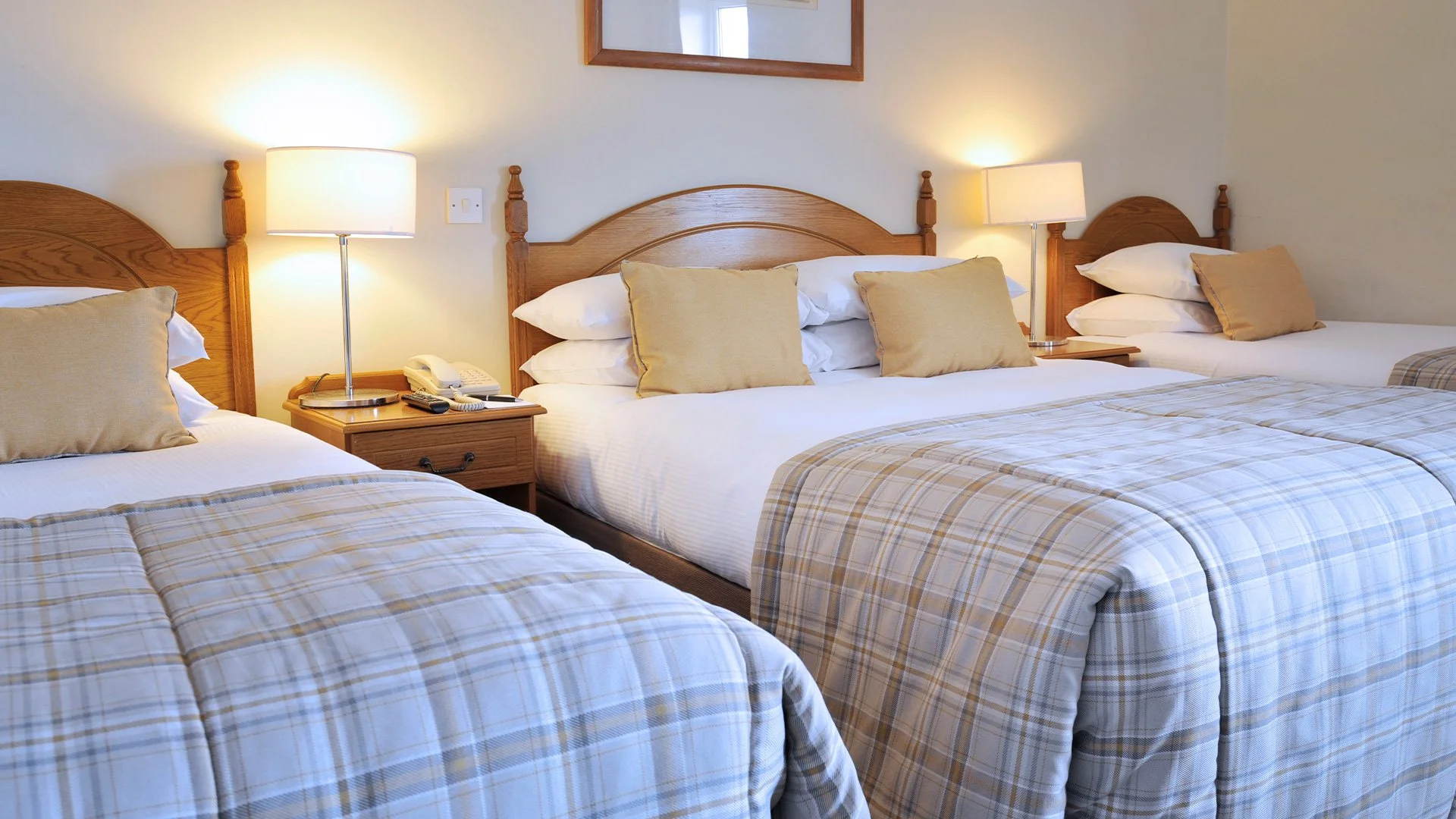
Naturally, people who are accustomed to a certain type of bed, like to know what to expect on Irish vacations. Not only is there a difference in the size of beds but there is also a very distinct difference in the terminology used on both sides of the Atlantic Ocean. For example, a King-size bed in Ireland approximates to a Queen-size bed in the USA. A considerably different bed!!!
The table below outlines the sizes of beds, the associated name in Ireland, and the approximate equivalent in North America. If you have a particular preference, then please ask your tour leader / accommodation provider at time of booking to ensure your satisfaction.

Room Types in Ireland:
The terminology relating to room types can also cause confusion. When you stay at a hotel, B&B or self-catering vacations rental in Ireland, the following definitions apply to room types:
Normally if you wish to book a room with something outside of the “standard” sized bed / room configuration, then you will pay extra - for example in a suite.

Hotel Sustainability Programs And Toiletries
Hotel Sustainability Programs:
The vast majority of hotels in Ireland now operate within an eco-friendly and sustainability program. Hotels engage guests and staff through education and communication, encouraging their participation in green practices. Many advertise their green achievements to attract eco-conscious visitors.
Hotel Toiletries:
You may find that hotel no longer have single use toiletries and instead have larger containers which are fixed to the wall for guest use instead.
Bed Linen And Towels
Bed Linen:
Policies on bed linens have also changed, with fresh sheets typically being provided every few days for longer stays, or when a guest requests them, rather than daily.
Beds are typically made up with a selection of pillows, a fitted bottom sheet over the mattress and a duvet (an inner layer of down, feather filling or or a synthetic alternative like polyester or hollowfibre) inside a cotton covering. There may also be a comforter lain over the bottom of the bed, but this is normally for decorative purposes. European hotels do not typically have a top sheet provided as standard, so if you require this, you may have to request it from reception.
Towels:
Modern hotel towel policies have shifted from automatically replacing towels daily to offering guests a choice, primarily for environmental and cost-saving reasons. Most hotels now use a standardized system to indicate a guest's preference for towel reuse, while also implementing broader sustainability initiatives.
The most common practice uses a simple, intuitive system communicated to guests via a tent card or a note in the bathroom.
To reuse: Guests are asked to hang up towels on a rail or hook. Housekeeping staff are trained to leave these towels for the guest to continue using.
For a fresh towel: Guests place used towels on the floor, in the tub, or in a designated laundry basket to signal they want them replaced.
Please note that not all hotel rooms have face cloths / flannels as standard. Most hotels can provide these if requested, however, if this is something that you cannot live without, it would be prudent to bring your own, just in case.

In Culdaff's quiet embrace, where green fields meet,
Clonca's church stands, where monks find retreat.
Amongst stones and graveyard, reflective and still,
Heritage whispers, as prayers softly spill.
Clonca Monastic Settlement , Co. Donegal - founded by St Morialagh in the 6th Century
Words and Photo: ©Jennifer McLaughlin-Doherty
Out And About In Ireland
Cities, Countryside And Irish Culture
Exploring the Cities:
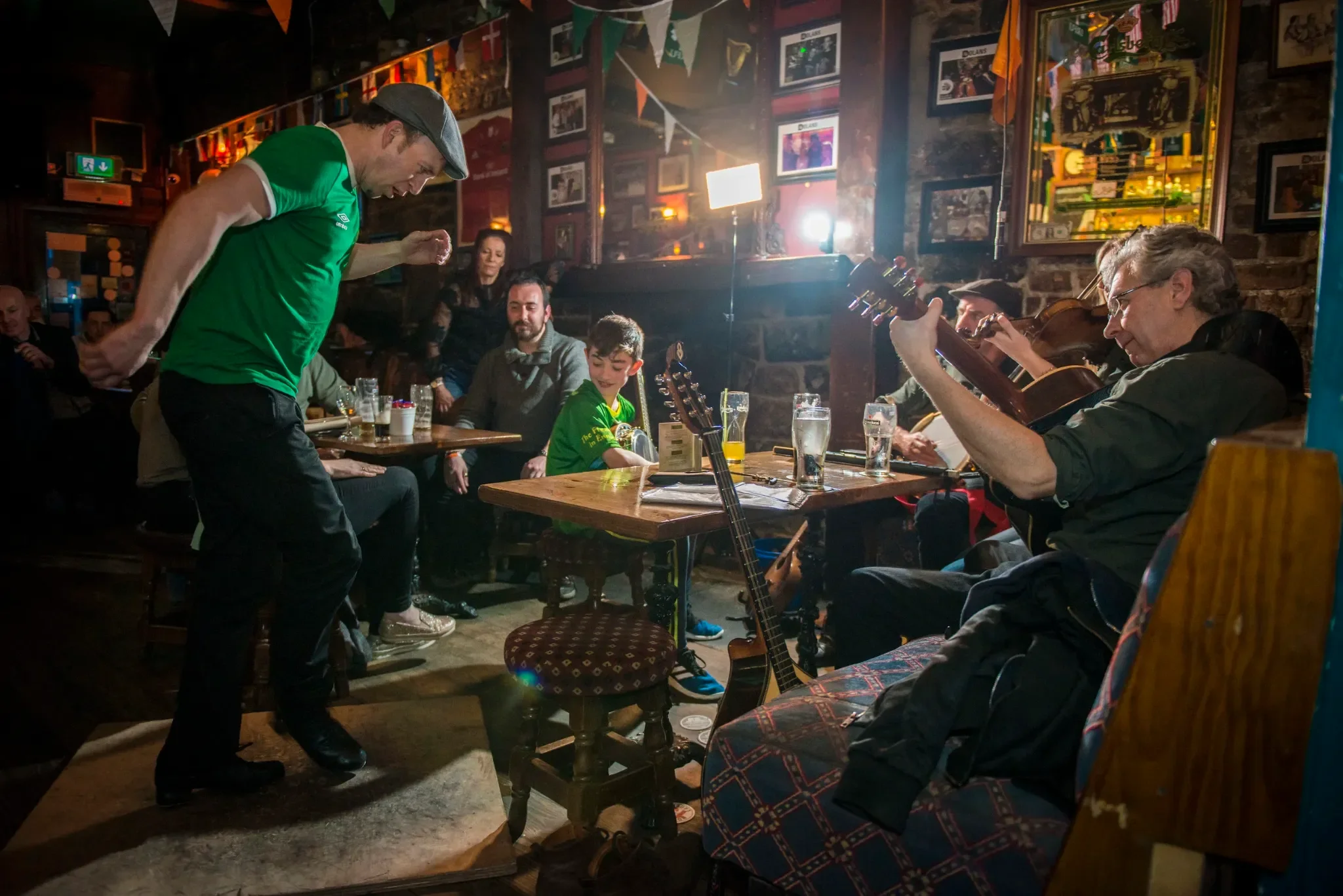
Dublin, the capital city, is a must-visit destination with its rich history, vibrant culture, and lively nightlife. Explore iconic attractions like Trinity College, Dublin Castle, Guinness Storehouse, and Temple Bar. Don't forget to enjoy traditional Irish music in the city's pubs.
Exploring the Countryside:
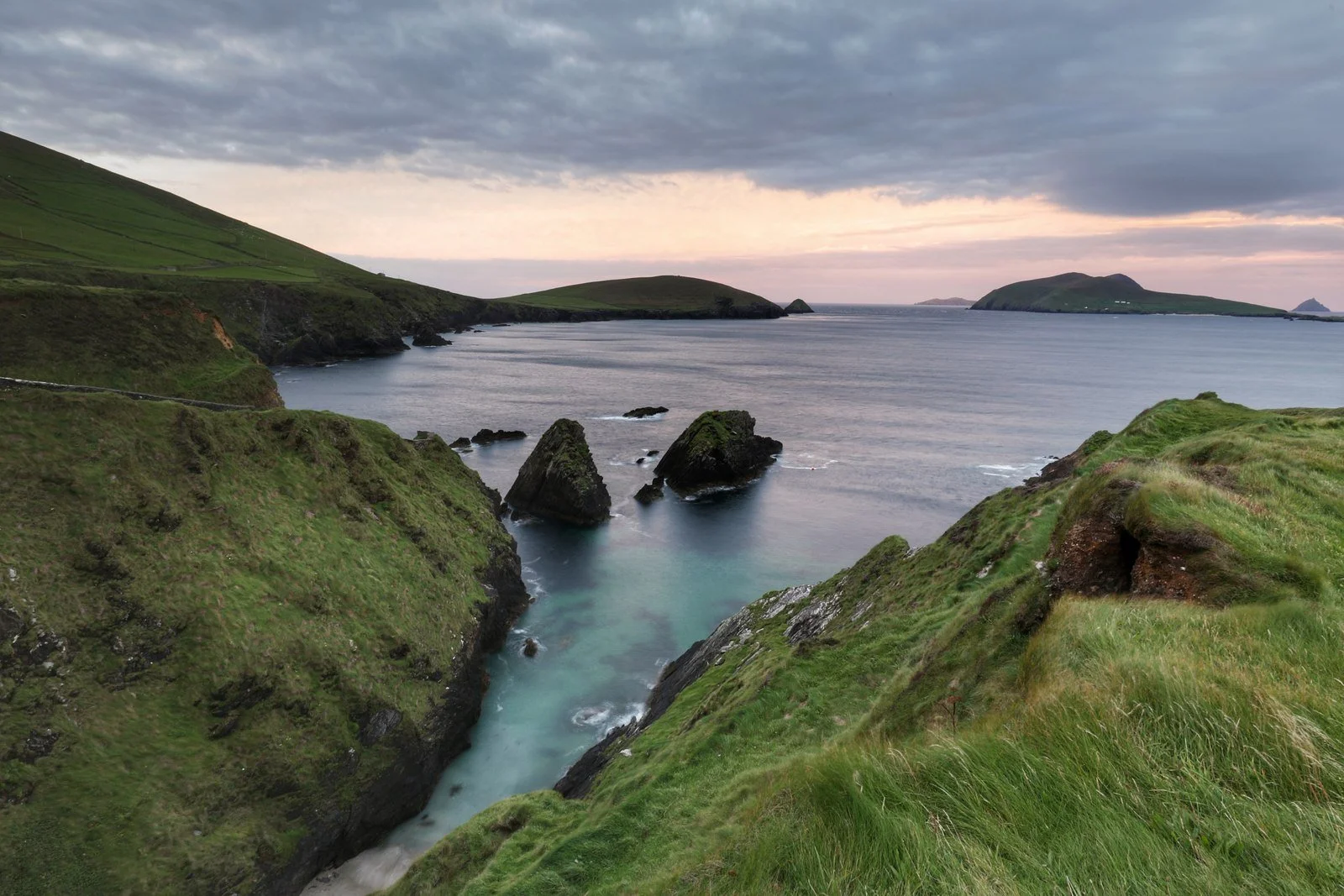
Ireland's countryside is known for its stunning landscapes, picturesque villages, and ancient sites. Rent a car and embark on a road trip along the Wild Atlantic Way or the Causeway Coastal Route. Visit the Cliffs of Moher, the Ring of Kerry, Connemara National Park, and the Giant's Causeway for breathtaking views. If you are unsure about driving in Ireland it may be worthwhile contacting a local tour guide / tour operator to create a tour for you which includes transportation.
Experiencing Irish Culture:
Immerse yourself in Irish culture by attending traditional music sessions, dance performances, and festivals. Learn about Ireland's history and heritage by visiting museums, historic sites, and heritage centres. Don't forget to try traditional Irish dishes like Irish stew, seafood chowder, and soda bread.

Outdoor Activities, Language, Weather And Transportation
Outdoor Activities:
Outdoor enthusiasts will love Ireland's abundance of outdoor activities. Go hiking in the Wicklow Mountains, cycling along the Great Western Greenway, kayaking on the Lakes of Killarney, or surfing along the Atlantic coast. Golfers can tee off at world-class golf courses like Lahinch and Ballybunion.
Language:
English is the primary language spoken in Ireland, but Irish (Gaeilge) is also recognized as an official language. Look out for the road signs along the way in both languages.
Weather:
Ireland has a temperate maritime climate, characterized by mild winters and cool summers. Be prepared for changeable weather, with rain showers possible at any time of the year. Pack waterproof clothing and layers to stay comfortable. Comfortable footwear is also a must.
Average temperatures in summer (June-August) range from 50°F to 65°F (10°C to 18°C), while winter temperatures average between 35°F to 45°F (2°C to 7°C).
Transportation:
If you are not part of a tour, then renting a car is the most convenient way to explore Ireland, especially for rural areas and scenic drives. Major car rental companies operate at airports and in cities. Book your rental car in advance, especially during peak tourist seasons. Ensure you bring your driver’s license.
Ireland also has an extensive network of buses and trains, connecting major cities and towns. Consider using public transportation for city-to-city travel if you prefer not to drive.
In Dublin city, the LUAS is in operation to travel city-wide – this is a tram-like light rail service. If you're planning to use buses or trains regularly, consider a visitor travel pass for savings.


Navigation, Food, Facilities And Safety
Navigation & Maps
Mobile data is usually reliable in towns and cities, but can be spotty in remote areas. Download offline maps (like Google Maps or Maps.me) before heading into the countryside. Road signs use kilometres, and speed limits are posted in km/h. Roundabouts are common—yield to traffic coming from the right.
Food & Drink
Ireland has stepped up its food scene in recent years. Beyond traditional fare, you’ll find excellent seafood, farm-to-table restaurants, and a growing café culture. Tap water is safe to drink everywhere. Pubs are a central part of Irish life—many serve food and some host live music nights. While tipping isn’t mandatory, rounding up or leaving 10% is appreciated for good service.
Public Toilets & Facilities
Public toilets aren’t always plentiful, especially in rural areas. However, most gas stations / fuel service stations do have public restroom facilities onsite. Larger towns and visitor centres usually have them, but it’s a good idea to take advantage of restrooms in cafés or attractions when available. Some may require a small coin payment, especially in older public buildings.
Respecting Local Communities
When exploring rural areas, remember you're often passing through someone’s home or farmland. Stay on marked trails, close gates behind you, and don’t trespass on private property. In smaller towns, a friendly greeting or nod goes a long way—locals generally appreciate respectful, considerate visitors.
Safety:
Ireland is generally a safe destination for travellers, but it's always wise to take common-sense precautions: - Keep your belongings secure, especially in crowded tourist areas. Be cautious when using ATMs and avoid displaying large amounts of cash in public. Take care when driving on narrow, winding roads, especially in rural areas. Follow local safety guidelines and warnings, especially near cliffs or coastal areas. Body cross-over bags / fanny packs / money belts as per travelling anywhere in the world. Ireland is usually super safe, but obviously you should be cautious and aware of people around you as you would going to another country.
Emergency Information:
Familiarise yourself with emergency contact numbers, including the national emergency number (999 or 112) for police (in Ireland they are called An Garda), fire, and medical assistance.
Carry travel insurance that includes coverage for medical emergencies, trip cancellation, and lost or stolen belongings. A photocopy of your passport is also a good idea.

Good To Know
Shopping In Ireland
Shopping & Tax-Free Purchases
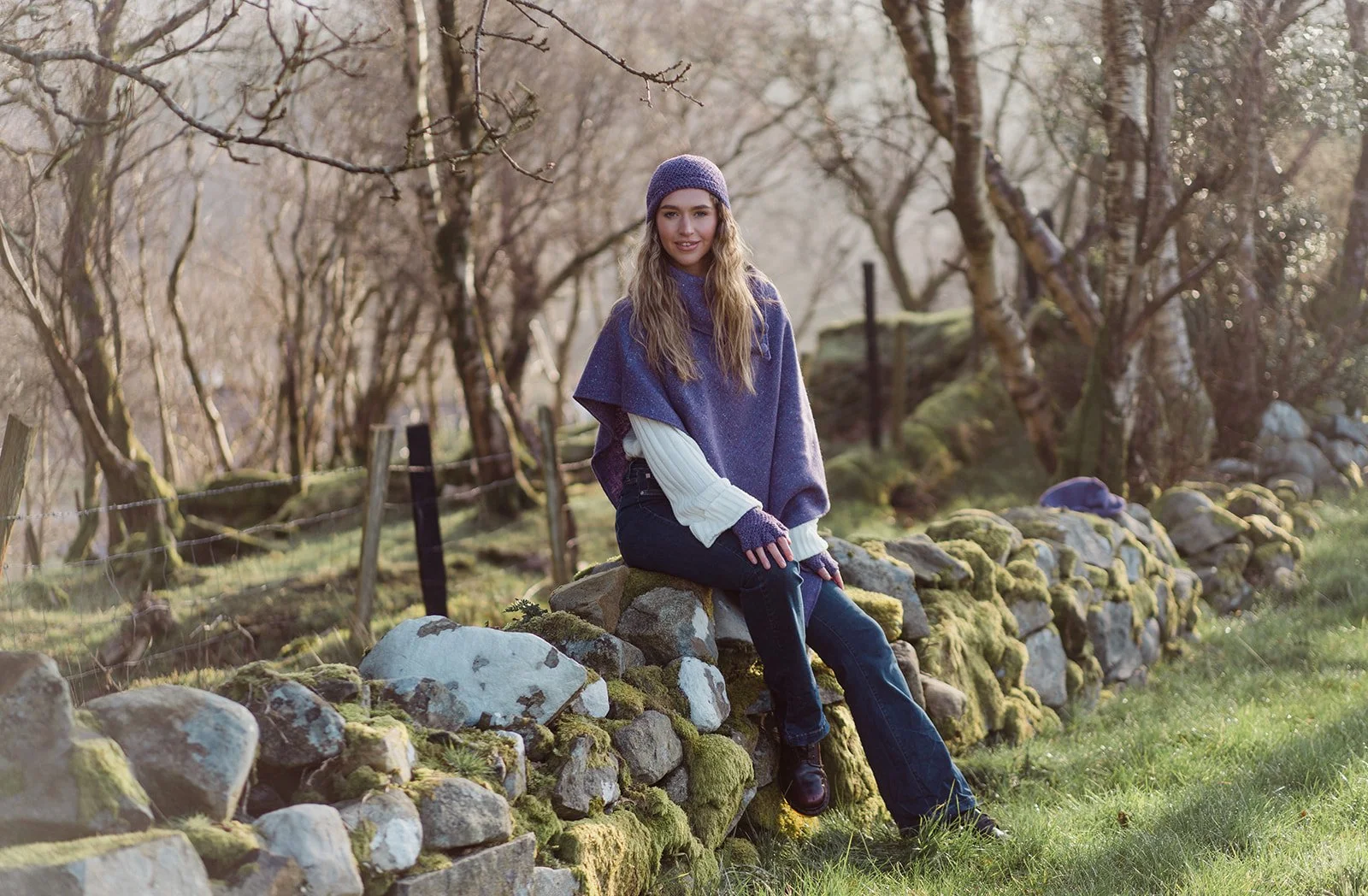
Ireland offers tax-free shopping for non-EU visitors. Look for stores offering the Tax-Free Shopping logo and ask for a refund form at checkout. You can claim your VAT refund at the airport before departing. Popular purchases include Irish wool products, Aran sweaters, whiskey, handmade crafts, and Celtic jewellery.
Retail Export Scheme:
For visitors to Ireland from outside the European Union (EU), the Retail Export Scheme offers tax relief on goods purchased in Ireland for export. This scheme extends to visitors from Great Britain but excludes residents of Northern Ireland. However, tax relief does not apply to services like hotel stays, meals, or car rentals. To qualify for this relief, visitors must provide evidence of non-EU residency, inbound and outbound flight details, and sign a declaration when making purchases.
How the Retail Export Scheme Works:
The Retail Export Scheme operates in two main ways: VAT is paid at the time of purchase, with a refund provided by the retailer or a VAT-refunding agency upon proof of export. In some cases, goods are sold tax-free at the point of sale, often involving credit card payment. If proof of export is not provided, VAT may be charged later.
Before purchasing, visitors should confirm with the retailer if they participate in the scheme and whether they operate independently or with a VAT-refunding agency.
Conditions for Tax Relief:
To qualify for tax relief, visitors must adhere to the following conditions: Residency outside the EU. Goods must exceed €75 in total value, including tax. Items must be exported within three months from the end of the purchase month. Documentary proof of export is required.
Documentary Proof:
Proof of export, typically a certification of export stamped by Customs, is necessary. If unable to obtain this stamp at the point of departure, visitors may do so in their home country by an official authority like Customs or the police.
Additional Conditions for Residents of Great Britain:
Residents of Great Britain may have additional requirements, such as proof of importation into Great Britain and payment of import duties in certain cases.
Retail Export Scheme (continued):
Using a VAT-Refunding Agency:
VAT-refunding agencies facilitate the scheme, often charging administration fees. Visitors should follow the agency's specific procedures for obtaining refunds.
High-Value Goods:
Individual items exceeding €2,000 (including VAT) require presentation to Customs before a VAT refund is approved.
Refund Process:
Retailers or agencies are obligated to refund within 25 working days of receiving documentation. If issues arise, visitors can contact the Revenue Commissioners for assistance.
Fees:
VAT-refunding agencies disclose administration fees and exchange rates for foreign currency refunds.
Where to Apply:
Retailers or refund agents handle refund claims, as the Revenue Commissioners do not directly administer the scheme or issue refunds. For inquiries, retailers or agents can direct visitors to the appropriate Revenue office.


General Information
Local Customs and Etiquette:
Irish people are known for their friendliness and hospitality. Embrace the local culture by engaging in conversations with locals and respecting local customs and traditions.
When visiting pubs, it's customary to buy a round of drinks for your group. Toasting with "Sláinte" (pronounced slawn-cha) is a common Irish custom.
Tipping is not compulsory, but very much welcomed!
Health and Wellness:
Ensure you have an adequate supply of any prescription medications you may need during your trip. Bring a list of your medications and your doctor’s details in case of loss or emergency.
Tap water is generally safe to drink in Ireland.
Cultural Considerations:
Respect local customs and traditions, including religious practices and cultural sensitivities. Take note of signage indicating areas of historical or cultural significance and follow any guidelines or restrictions, this includes photography which could inadvertently cause offence or is forbidden.
Environmental Conservation:
Help preserve Ireland's natural beauty by practicing responsible tourism: Dispose of waste properly and recycle whenever possible. Use your own water bottles where you can - save buying multiple plastic bottles. Stay on designated trails when hiking to minimise damage to fragile ecosystems. Avoid disturbing wildlife and refrain from feeding animals in natural habitats.


Everyday Recycling
Attached Bottle Tops
New recycling laws were introduced in 2024 in Ireland which saw the attachment of bottle tops to plastic bottles. These can be a bit tricky to use at first when you are not used to them. When you unscrew the bottle top just bend it back as far as it will go, that way the container is much easier to drink from without the top being in the way.
Desposit Return Scheme
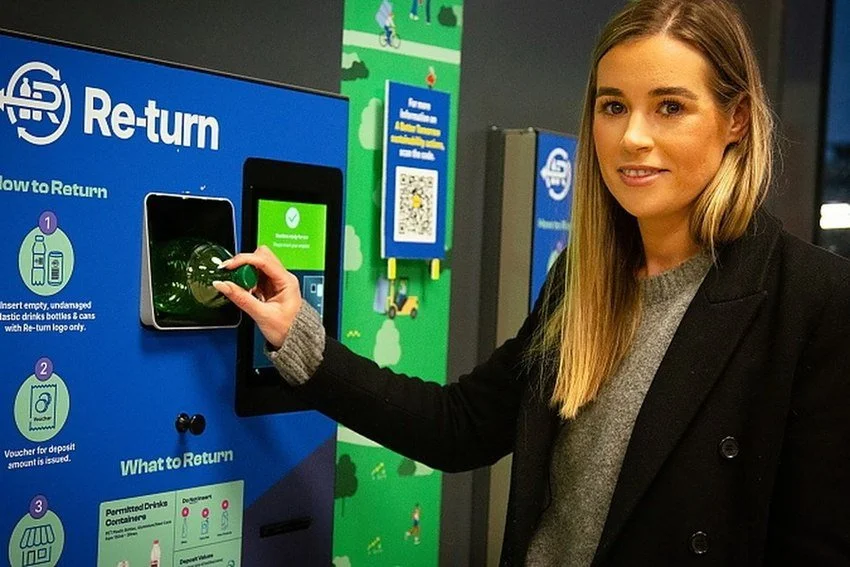
When you buy a drink in a container (bottle or can) with the Re-turn logo, you are charged a small refundable deposit. You can then claim back the levy by returning the empty container. There are Return Machines inside most large stores which provide money back receipts for every can and bottle returned under the scheme. These receipts can then be used are a cash alternative in store to pay for goods purchased.
This bottle and can recycling system is known as the Deposit Return Scheme. The scheme began on 1 February 2024.
The cost of the deposit is automatically added to the cost of the drink.
You can get your deposit by returning your containers as long as they are empty and undamaged.
More information can be found here:
https://www.citizensinformation.ie/en/environment/waste-and-recycling/deposit-return-scheme/
Other
Many hotels and restaurants employ their own sustainable efforts to protect the environment. Please refer to individual hotel policies for details (see also the section in this guide called “Hotels”)

Electrical Devices And Charging
Electrical and Electronic Devices:
For a US tourist traveling to Ireland, it's essential to bring the right chargers to keep your electronic devices powered up. Here are the types of chargers you should consider packing:
Adapter Plug:
Ireland uses Type G electrical outlets, which are standard three-pin British-style sockets. US plugs are not compatible with Irish outlets, so you'll need a plug adapter to convert your US plugs to fit Irish sockets. Make sure to purchase a Type G adapter before your trip.
Voltage Converter or Transformer (if necessary):
In addition to the plug adapter, check the voltage requirements of your electronic devices. Ireland operates on a 230V/50Hz electrical system, which is different from the 120V/60Hz system used in the US. Most modern electronics, such as laptops and smartphones, support dual voltage (100-240V), meaning you only need a plug adapter. However, if you have older devices that don't support dual voltage, you'll need a voltage converter or transformer to safely use them in Ireland.
USB Chargers:
Instead of bringing individual chargers for each device, consider packing a multi-port USB charger. This allows you to charge multiple devices simultaneously using a single power outlet. Make sure the USB charger is compatible with the voltage in Ireland or use it with a plug adapter.
Car Charger:
If you plan to rent a car and explore Ireland's countryside, having a car charger for your electronic devices can be convenient. Ensure the car charger is compatible with the cigarette lighter socket (12V) commonly found in rental cars.
Portable Power Bank:
For on-the-go charging when you're out exploring or hiking, a portable power bank is invaluable. Choose one with sufficient capacity to recharge your devices multiple times. Remember to charge the power bank before leaving your accommodation.


Burt, Co. Donegal
A Final Word
A trip to Ireland promises unforgettable experiences, from exploring historic cities to discovering stunning natural landscapes. Whether you're interested in history, culture, outdoor adventures, or simply enjoying the hospitality of the Irish people, Ireland has something for everyone. Get ready for an adventure of a lifetime in the Emerald Isle!
Be open-minded in what to expect
Ireland will surprise you. It’s not just castles, cliffs, and cosy pubs - though those alone are worth the trip. It’s the unexpected conversations with locals, the sudden beauty of a mist-covered hill, the feeling of timelessness when standing among ancient ruins. It’s the music drifting through a quiet village street, the storytelling that feels as real as the history behind it, and the way the weather can shift in five minutes - reminding you that nature still makes the rules here.
Travelling through Ireland isn’t about checking off a list of famous spots. It’s about letting the place get under your skin. You might plan to see the Cliffs of Moher, but it’s the tiny café in a nearby town, the one with the peat fire and fresh brown bread, that stays with you. You might head to Dublin for the museums, but it’s the late-night trad session in a backroom bar that becomes the story you tell.
This guide has given you the essentials - the local insights, pre-trip ideas, and the tips, but the real magic happens between the lines. When you take a wrong turn and find yourself on a one-lane road surrounded by sheep. When someone in a shop calls you “love” or “pet” like you’ve known each other for years. When the rain hits and then stops, and suddenly there's a rainbow across the valley. You can’t plan those moments, but they’re the reason people come back again and again.
So take your time. Don’t rush through it. Let Ireland unfold at its own pace. Talk to people. Listen to stories. Be curious. Be respectful. Say yes to the detour. Some of the best parts of the journey aren’t in this book - they’re waiting out there for you to find.
Ireland isn’t just a destination. It’s an experience that lingers long after the flight home. You’ll leave with more than photos - you’ll leave with memories etched into your bones, with new perspectives, and maybe even a little more poetry in how you see the world.
Tours, Genealogy And Events
This guide was researched and compiled by:
CEO Irish Ancestral Group
ATGI National Irish Tour GuideProfessional GenealogistHistorian
Contact Details:
Email: IrishAncestral@gmail.com
Tel: 00353 86 3139258
Website: http://www.IrishAncestral.com


